
Thép không gỉ
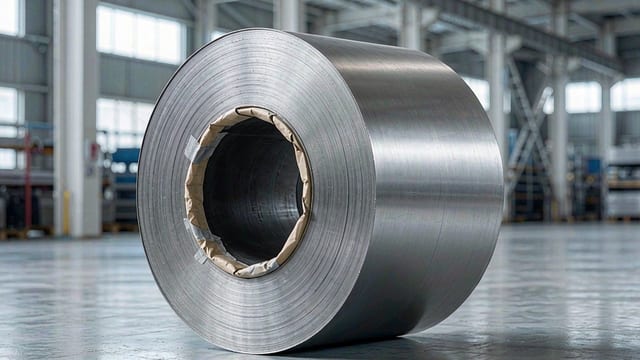
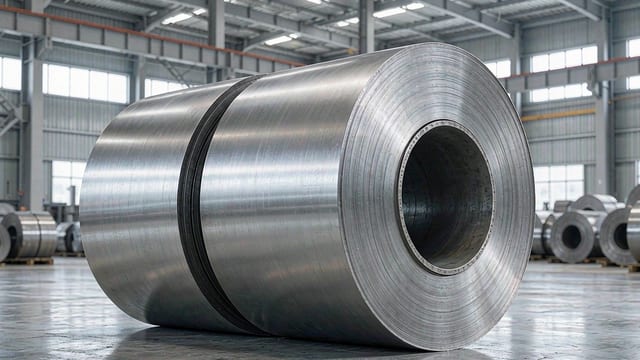
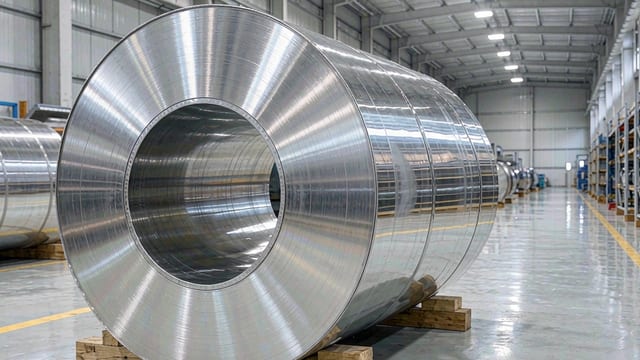
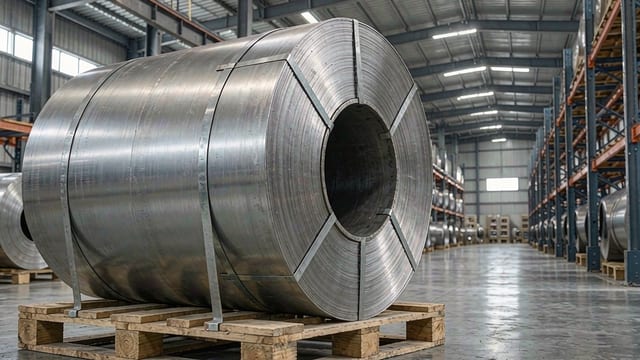
Cuộn thép không gỉ cán nguội
Cuộn cán nguội 2B và BA loại 304 / 316L / 430 / 201 — 0,3–3 mm, chiều rộng tối đa 1500 mm.
0,3–3 mmĐộ dày
≤ 1500 mmChiều rộng
Thông số kỹ thuật có sẵn
| Mác thép | Độ dày | Chiều rộng / đường kính | Tiêu chuẩn |
|---|---|---|---|
| 304 · 316L · 430 · 201 | 0,3–3 mm | ≤ 1500 mm | ASTM A240 / EN 10088-2 |
Các phạm vi hiển thị là khả năng cung cấp tiêu chuẩn; kích thước phi tiêu chuẩn có thể được sản xuất theo đơn đặt hàng. Độ dày là danh nghĩa — dung sai được đánh giá theo ASTM A480 / EN 10088-2.
Ứng dụng điển hình
- Thiết bị gia dụng và thiết bị nhà bếp
- Thang máy và trang trí nội thất
- Dập và kéo sâu
Giao hàng và kiểm tra
- 2B: Ra 0,2–0,5 μm; BA: Ra 0,05–0,2 μm
- Cán tinh để đảm bảo độ phẳng, phù hợp để dán màng trực tiếp
- Cấp bề mặt được đánh giá theo ASTM A480 — tranh chấp về màu sắc và vết xước có cơ sở
Cần báo giá hoặc hỗ trợ kỹ thuật?
Gửi mác thép, kích thước, số lượng và cảng đích — chúng tôi phản hồi với FOB / CIF trong vòng 24 giờ.
Typical applications
Below is where this material actually ends up — the specific parts, not just the industry. Compare it with your own service conditions, or send us the environment and we will advise.
- Kitchen equipment — sinks, hob panels, range hood shells, commercial fridge liners
- Home appliances — washing machine drums and panels, microwave cavities, steriliser racks
- Architecture — elevator door frames and car panels, façade trims, balustrades, handles
- Food and pharma — filling line tables, tank liners, cleanroom wall panels
- Consumer goods — vacuum flasks, cookware, cutlery, bathroom fittings
Selection FAQ
- Should a kitchen sink be 304 or 316 stainless?
- 304 is enough for domestic use. For coastal areas, or where salt and detergent sit on the surface, 316L lowers the pitting risk.
- What is the difference between 2B and BA finish?
- 2B is cold rolled, annealed, pickled and skin-passed — a matte silver-grey. BA is bright annealed: more reflective, closer to mirror, slightly higher cost.
- Does stainless steel rust?
- "Stainless" is relative to carbon steel. Chlorides (salt, bleach) and scratched surfaces are the main triggers; in coastal or chemical environments upgrade 304 to 316L.
Not sure which grade fits? Use the grade selector